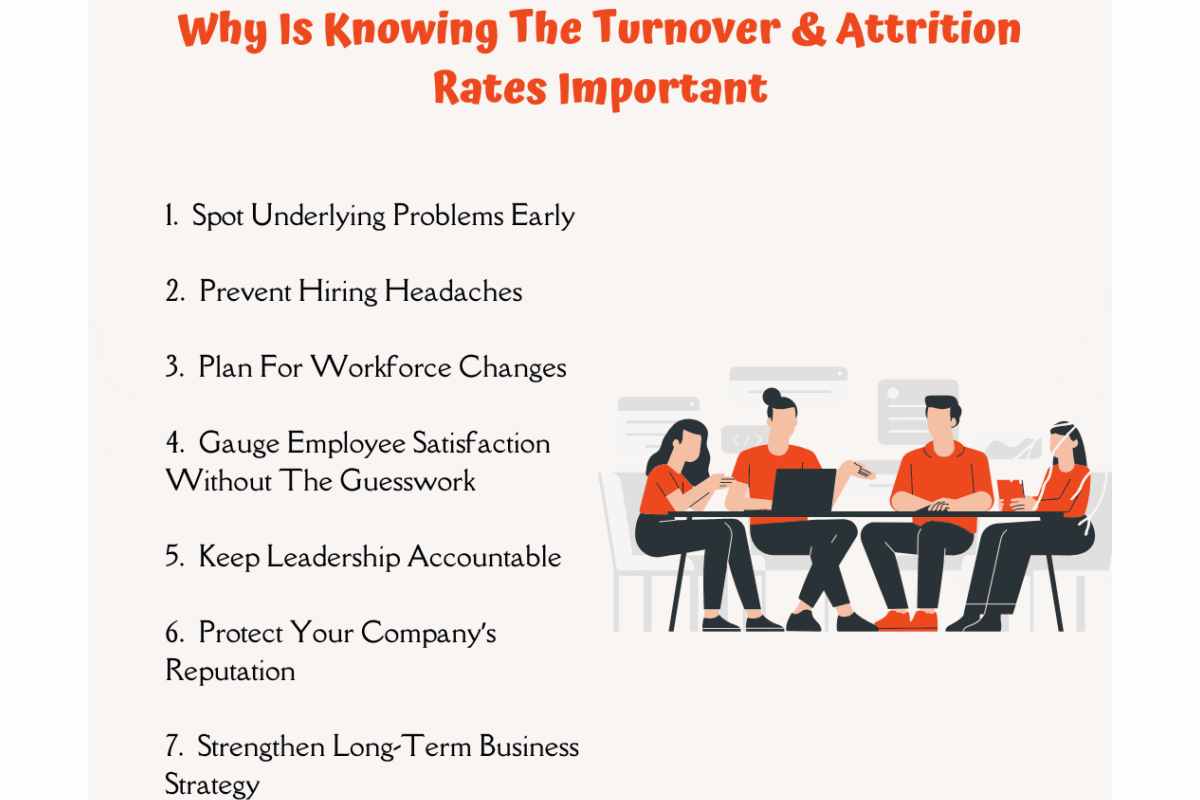
How Attrition Rates Shape a Company’s Future – Employee attrition is a defining metric for the health and growth potential of any business. The attrition rate reflects the frequency at which employees leave an organization within a specific timeframe, impacting everything from team morale to the bottom line. For employers determined to bolster stability and long-term productivity, understanding and effectively managing this rate is crucial.
High attrition rates are often a warning sign—pointing to deeper issues such as low job satisfaction, inadequate professional development opportunities, or friction with management. By taking proactive steps to reduce turnover, companies not only enhance their internal culture but also position themselves for sustainable success in an increasingly competitive environment.
As we see continual shifts in the workforce landscape, addressing the causes of attrition becomes more critical for strategic planning and workforce stability. Companies are learning that investing in the people experience pays dividends far beyond basic operational costs, influencing innovation and market reputation.
Leaders must leverage metrics, employee feedback, and new technology to gain a holistic understanding of the drivers behind attrition. This data-driven approach fosters a culture of improvement, resilience, and empowerment at every level.
Table of Contents
Understanding Attrition Rates
Attrition rates measure the proportion of employees who leave an organization over a specified period, typically expressed as a percentage. Tracking this metric is essential for HR and leadership teams, as high attrition often signals deeper operational or cultural issues within the business. Root causes often include dissatisfaction with compensation, limited internal mobility, and strained relationships between managers and employees.
Monitoring attrition enables companies to identify trends, compare their performance against industry standards, and detect when turnover is increasing—allowing for early intervention. Sustained high attrition can result in increased recruiting and training costs, knowledge loss, and instability among the remaining staff.

Current Trends in Attrition
The modern workforce is experiencing a shift. According to industry reports, while overall attrition rates have begun stabilizing after the tumultuous changes of the previous years, many organizations still face significant turnover challenges. In 2023, research from HR Dive indicated that approximately two-thirds of employers maintained turnover within their target ranges, but half still reported turnover above 15%. These statistics highlight ongoing vulnerabilities in talent retention, underscoring the need for ongoing attention to employee engagement and retention strategies.
Furthermore, new workforce expectations, including flexible work arrangements, meaningful benefits, and career growth opportunities, are influencing why employees stay or leave. Companies failing to recognize and adapt to these evolving needs may find themselves losing top talent to competitors who better address modern employee preferences.
Impact of Attrition on Businesses
The direct effects of high attrition are quickly felt across any business. A sudden loss of skilled workers can disrupt ongoing projects, delay product launches, and place unexpected workloads on remaining staff, often leading to burnout. The HR and recruitment teams face mounting pressure to fill unexpected vacancies, and the knowledge and experience of departing employees can be hard to replace.
Financially, the impact is daunting. According to Gallup, replacing an employee can cost from one-half to two times the employee’s annual salary. Factoring in recruiting, onboarding, lost productivity, and the time it takes for a new employee to reach full efficiency, attrition expenses can accumulate swiftly and affect overall profitability.
Strategies to Mitigate Attrition
Combatting high attrition requires a thoughtful blend of proactive policies, organizational culture enhancements, and continuous listening. Proven strategies include:
- Competitive Compensation: Regularly benchmark salaries, bonuses, and benefits to remain aligned with market rates throughout the industry.
- Career Development: Build transparent promotion paths, encourage upskilling, and support continuous learning initiatives that allow employees to envision a robust future at the company.
- Work-Life Balance: Promote flexible scheduling, remote work arrangements, and mental health support, recognizing the diverse needs of employees.
- Employee Engagement: Foster inclusion, frequent feedback, and authentic recognition for contributions—creating a sense of belonging and value.
In addition, fostering open communication and responding constructively to feedback can transform workplace culture, boosting satisfaction and long-term loyalty.
Role of Technology in Reducing Attrition
Technological advancements are revolutionizing how organizations mitigate turnover. Sophisticated AI-driven analytics identify patterns in engagement, productivity, and social interactions, alerting leadership to potential risks of rising attrition. This allows for the early deployment of targeted interventions, such as tailored retention packages or enhanced mentorship.
For example, real-time dashboards and predictive analytics empower HR professionals to make data-backed decisions for individualized follow-up and support, rather than relying on annual survey snapshots. Modern companies are also utilizing digital platforms for consistent communication, continuous performance feedback, and automated recognition, all of which can help create a more engaging and satisfying employee experience.
Case Studies of Successful Retention Strategies
Several organizations have proven the business case for customized retention programs. SugarCRM, for instance, slashed its attrition rate from 23% to just 9% by prioritizing personalized employee experiences. By treating staff as individuals with unique needs and aspirations, offering frequent recognition, and supporting them through various stages of their employment journey, SugarCRM built a reputation as a destination employer.
Other success stories include large tech firms offering on-demand skills training, robust internal mobility paths, and peer coaching networks—all of which foster greater engagement and retention. These programs demonstrate that meaningful, ongoing investment in people is a highly effective retention strategy across various industries.
Conclusion
Managing and reducing attrition rates is a multifaceted challenge that sits at the core of effective business strategy. Companies that understand the root causes of turnover and implement data-informed, human-centered approaches to retention will build a workforce ready for continuous innovation and sustainable growth. By leveraging a blend of technology, empathetic leadership, and a focus on employee well-being, organizations can transform attrition from a costly threat into an opportunity for positive, long-term change.