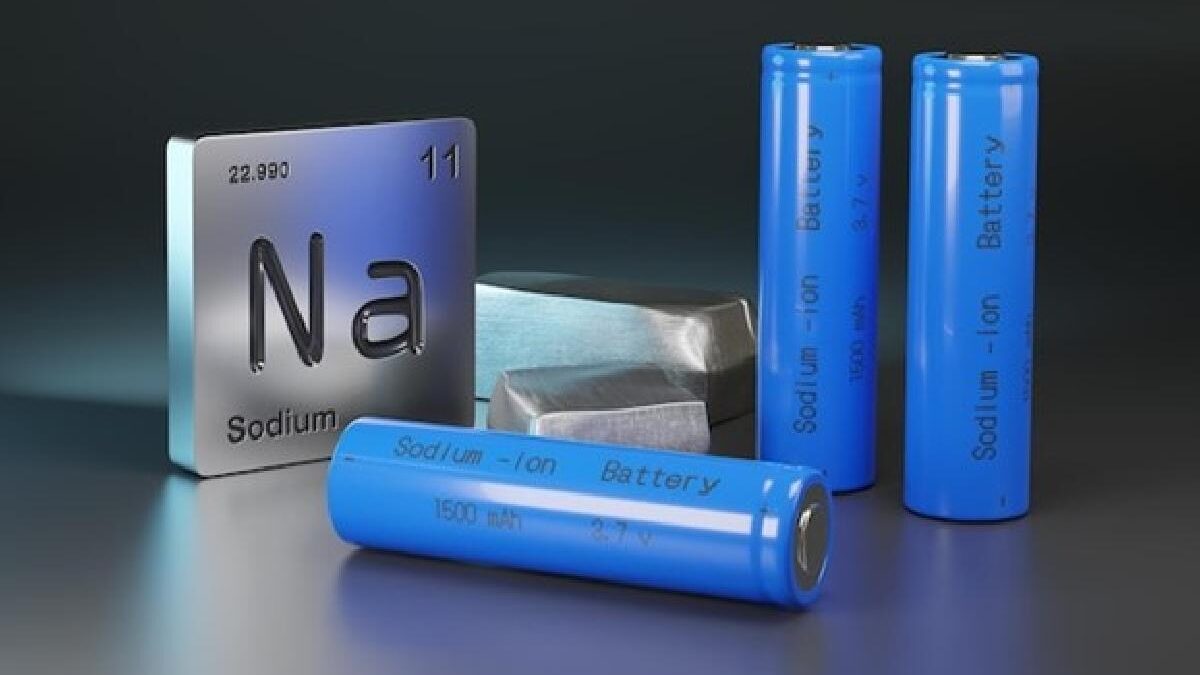
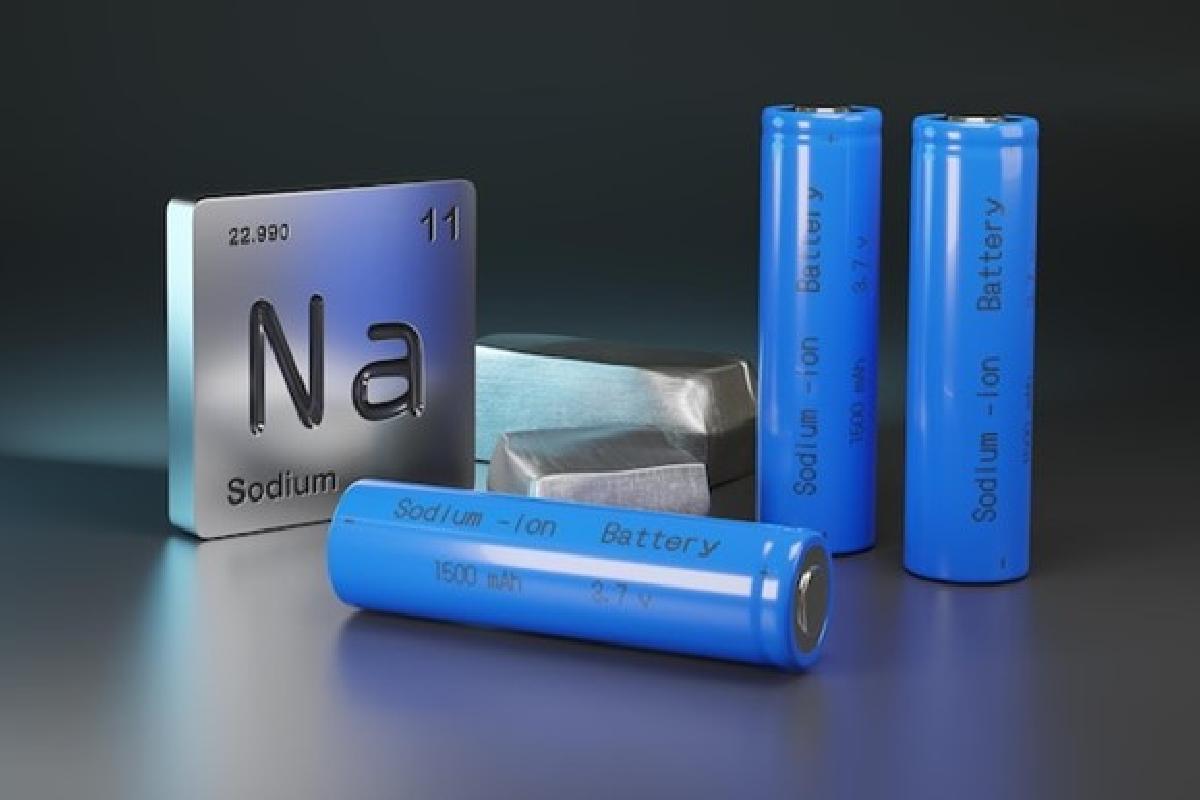
The sodium ion battery technology is becoming a promising substitute to the traditional lithium-ion batteries particularly in large scale energy storage and cost-sensitive applications. With the increased demand of batteries globally in relation to electric vehicles, renewable energy integration and the handheld electronics, issues of lithium scarcity, high prices and dependence on geopolitical influence have been increased. Na + batteries put a lot of these issues into consideration by incorporating sodium, which is a common and abundant element and therefore is appealing in terms of a more sustainable energy future.
Table of Contents
What Is a Sodium Ion Battery?
Sodium ion battery (SIB) is an electric energy storage system that stores and releases electric energy due to ionic movement of sodium between two electrodes through the use of an electrolyte. Some of the sodium ions being charged are transferred to the anode and once they are discharged they are again transferred to the cathode to generate electric current.
The structural compatibility between sodium ion batteries and lithium-ion batteries also enable the manufacturers of such types of batteries to re-use their lithium-ion battery production lines to come up with sodium-based process with slight changes.
| Aspect | Details |
| Battery Type | Rechargeable Battery |
| Working Ion | Sodium ions (Na⁺) |
| Energy Storage Principle | Reversible movement of sodium ions between anode and cathode |
| Anode Material | Hard carbon |
| Cathode Material | Sodium layered oxides, Prussian blue analogs |
| Electrolyte | Sodium salt dissolved in organic solvent |
| Energy Density | Moderate (lower than lithium-ion) |
| Charging Speed | Moderate to fast |
| Cycle Life | 2,000–4,000 cycles (varies by chemistry) |
| Safety | High thermal and chemical stability |
| Operating Temperature | Performs well in cold conditions |
| Cost | Lower than lithium-ion batteries |
| Raw Material Availability | Sodium is abundant and widely available |
| Environmental Impact | More eco-friendly, less resource-intensive |
| Maintenance | Low |
| Current Development Stage | Commercialization in early stages |
| Key Applications | Grid storage, solar energy systems, EVs (low-range), backup power |
| Main Advantage | Low cost and high safety |
| Main Limitation | Lower energy density and heavier size |
Basic Components of a Sodium Ion Battery
| Component | Description | Function |
| Cathode | Typically made from layered oxides, polyanionic compounds, or Prussian blue analogs | Stores and releases sodium ions |
| Anode | Commonly hard carbon | Hosts sodium ions during charging |
| Electrolyte | Sodium salt dissolved in organic or aqueous solvent | Enables ion transport |
| Separator | Microporous membrane | Prevents short circuits while allowing ion flow |
| Current Collectors | Aluminum or copper foils | Conduct electrons to external circuit |
Principle of working Sodium Ion Batteries.
The principle of working of sodium ion batteries is reversible electrochemical reactions. On charging of the battery, sodium ions move out of the cathode via the electrolyte and intercalate into the anode material. These ions flow back to the cathode especially during discharge and release stored energy in the form of electrical energy.
Sodium ions also diffuse slowly in electrode materials because they have a higher ionic radius as compared to lithium ions. This not only poses difficulties in perilous energy density but also enhances a safer and better thermal stability.
Types of Sodium Ion Battery Cathode Materials
| Cathode Type | Material Examples | Key Characteristics |
| Layered Oxides | NaMO₂ (M = Fe, Mn, Co, Ni) | High capacity, moderate stability |
| Polyanionic Compounds | Na₃V₂(PO₄)₃ | Excellent thermal stability |
| Prussian Blue Analogs | Na₂FeFe(CN)₆ | Low cost, long cycle life |
Anode Materials Used in Sodium Ion Batteries
The most common anode material of sodium ion batteries is hard carbon because it can accommodate more sodium ions. Graphite in contrast to that used in lithium-ion batteries can not intercalate the sodium ions effectively.
Other new anode materials are metal oxides, sodium alloys and organic compounds, although hard carbon is still the commercial choice because of its performance-cost-durability balance.
Sodium Ion Battery Price in Country Wise
| Country / Region | Approx. Price Range | Notes |
| China | ~ $70–$100 per kWh (cell-level industry average) | Cost estimates for sodium-ion cells in 2026; prices may vary by manufacturer and scale. China leads global production. (propowenergy.com) |
| Global (industry avg) | ~ $80–$90 per kWh (cell level) | Typical mid-2020s value; pack costs may differ. |
| India | ~ ₹6,500–₹7,500 per kWh (≈ $80–$95 per kWh) | Estimated sodium-ion solar/energy storage battery cost in India (varies by capacity and brand). |
| Pakistan (imported units) | ~ PKR 20,000–35,000 / kWh (≈ $110–$190 per kWh) | Based on imported solar storage units; local production is minimal. |
| Europe (example Italy) | ~ €6000 for ~9.8 kWh system (≈ €600/kWh ≈ $650/kWh) | Price includes system (battery + enclosure + controller) — higher than cell-only costs. (reddit.com) |
| Hong Kong / Asia (cell samples) | ~$0.25–$1.70 per Wh (~$250–$1,700 per kWh) for individual cells | These are small-quantity supplier listings; bulk/industrial prices can be much lower. (Accio) |
Electrolytes in Sodium Ion Batteries
| Electrolyte Type | Description | Advantages |
| Organic Electrolytes | Sodium salts in carbonate solvents | High energy density |
| Aqueous Electrolytes | Water-based sodium salts | Safer and eco-friendly |
| Solid-State Electrolytes | Ceramic or polymer materials | Enhanced safety |
Advantages of Sodium Ion Batteries
Sodium ion batteries offer several compelling advantages that make them suitable for large-scale deployment:
- Abundant and low-cost raw materials
- Reduced dependence on lithium and cobalt
- Improved thermal stability and safety
- Better performance at low temperatures
- Environmentally friendly resource extraction
Limitations of Sodium Ion Batteries
| Limitation | Explanation |
| Lower Energy Density | Compared to lithium-ion batteries |
| Larger Battery Size | Due to heavier sodium ions |
| Slower Ion Diffusion | Affects charging speed |
| Limited Commercial Adoption | Still in early deployment stages |
Sodium-Ion vs Lithium-Ion Battery (Comparison Table)
| Feature | Sodium-Ion Battery | Lithium-Ion Battery |
| Working Ion | Sodium (Na⁺) | Lithium (Li⁺) |
| Raw Material Availability | Very abundant (seawater, salt) | Limited & geographically concentrated |
| Cost | Lower (expected to reduce further) | Higher |
| Energy Density | Moderate | High |
| Weight & Size | Heavier and bulkier | Lighter and compact |
| Safety | Higher thermal stability, less fire risk | Moderate, risk of thermal runaway |
| Operating Temperature | Performs well in cold climates | Performance drops in cold |
| Cycle Life | 2,000–4,000 cycles | 1,000–3,000 cycles |
| Charging Speed | Moderate | Fast |
| Environmental Impact | More eco-friendly | Higher environmental impact |
| Recyclability | Easier and safer | More complex |
| Manufacturing Maturity | Emerging technology | Well-established |
| Current Applications | Grid storage, solar, low-range EVs | Smartphones, laptops, EVs |
| Supply Chain Risk | Low | High (lithium & cobalt dependence) |
| Best Use Case | Cost-effective energy storage | High-performance portable & EV use |
Applications of Sodium Ion Batteries
| Application Area | Usage |
| Grid Energy Storage | Renewable energy buffering |
| Electric Mobility | Two-wheelers, low-range EVs |
| Backup Power Systems | Data centers and telecom |
| Industrial Storage | Load leveling |
Environmental Impact of Sodium Ion Batteries
Sodium ion batteries have a significantly lower environmental footprint compared to lithium-ion batteries. Sodium extraction is less invasive, and the absence of rare metals like cobalt reduces ecological damage. Recycling processes are also simpler and less toxic.
Manufacturing Process of Sodium Ion Batteries
| Stage | Description |
| Material Preparation | Synthesis of cathode and anode materials |
| Electrode Coating | Application onto current collectors |
| Cell Assembly | Stacking or winding electrodes |
| Electrolyte Filling | Injection of sodium electrolyte |
| Formation Cycling | Initial charge-discharge cycles |
Safety Aspects of Sodium Ion Batteries
Sodium ion batteries exhibit enhanced safety due to lower reactivity and improved thermal stability. They are less prone to thermal runaway and can operate safely under extreme temperature conditions, making them ideal for stationary energy storage.
Recent Advancements in Sodium Ion Battery Technology
| Advancement | Impact |
| Prussian Blue Cathodes | Improved cycle life |
| Hard Carbon Optimization | Higher capacity |
| Solid-State Designs | Increased safety |
| Fast-Charging Research | Reduced charging time |
Commercialisation and Market Trends
Major battery manufacturers and energy companies are investing in sodium ion battery research and pilot production lines. The technology is gaining traction in China, Europe, and India for grid-scale storage and entry-level electric vehicles.
Role of Sodium Ion Batteries in Renewable Energy Storage
Sodium ion batteries play a crucial role in stabilizing renewable energy sources such as solar and wind. Their cost-effectiveness and long cycle life make them ideal for stationary storage systems where energy density is less critical.
Sodium Ion Batteries in Electric Vehicles
While sodium ion batteries may not replace lithium-ion batteries in high-performance EVs, they are well-suited for short-range vehicles, electric scooters, and public transportation fleets.
Recycling and End-of-Life Management
| Aspect | Details |
| Recyclability | High |
| Toxicity | Low |
| Recovery Methods | Mechanical and chemical processes |
| Environmental Risk | Minimal |
Constrained Engineering in Sodium Ion Battery Technology.
Though the improvements are promising, some of the challenges that have been experienced include which electrode materials to use to enhance energy density, developing electric-materials that are cost effective at scale etc. Further research and policymaking is necessary to make it ubiquitous.
Future Prospects of Sodium Ion Batteries.
The outlook of the sodium ion batteries is bright as breakthroughs in the fields of material science and production methods develop. As more attention is paid to sustainable energy solutions, sodium ion batteries will not replace the lithium-ion technology but will supplement it.
Conclusion
The technology of sodium ion battery is one great leap towards saving and cost-effective energy storage technology. Although it has obstacles in terms of energy density and commercialization, its benefits in terms of safety, environment, and resource availability would make it a good candidate to grid storage, renewable energy systems, and cheap electric mobility. With further development of research, sodium ion batteries will become crucial to the world energy shift.