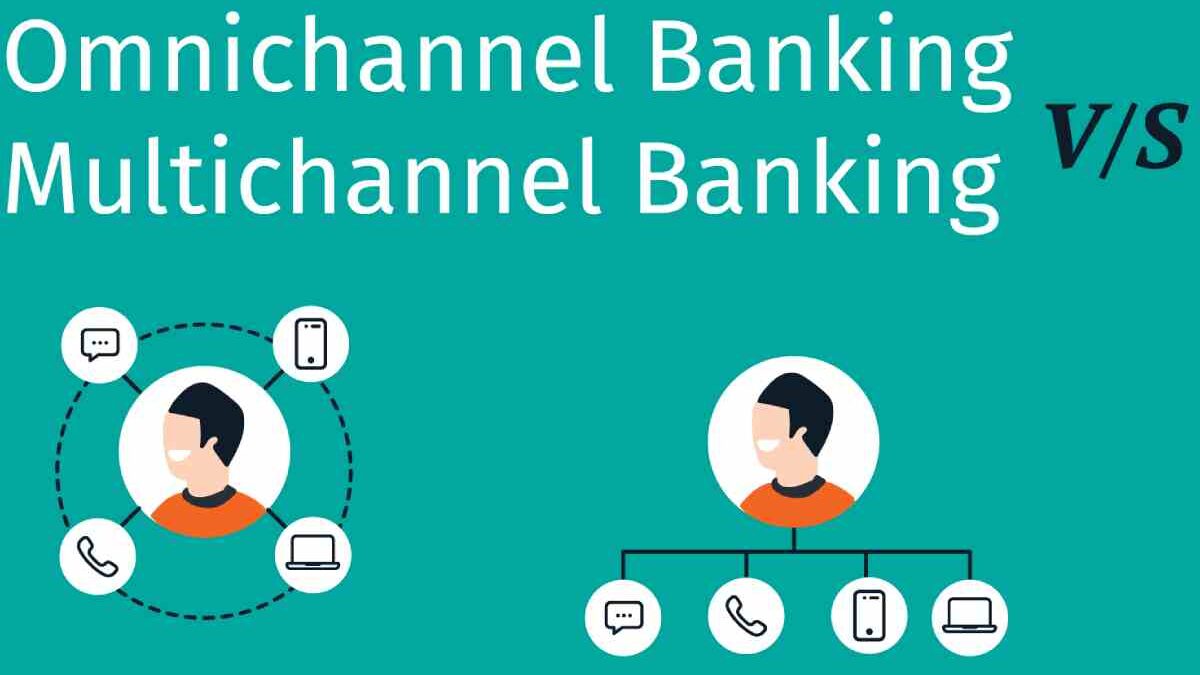
In the current digital world where time is of the essence, customers will not remain in one location. They can find a brand on Instagram, shop and compare prices on a web site, ask a question on live chats and eventually make the purchase at a store or using a mobile app. Due to this, companies have begun adopting both multichannel and omnichannel strategies to reach customers.
These two terms do not appear married at a glance level. They both entail utilization of other than a single channel to acquire people. The truth of the matter is a lot deeper. One is being everywhere and the other is making all channels come in harmony.
When developing a business strategy, it is not only helpful to know what omnichannel or multichannel is. It is essential. Your communication methods, selling methods, and support methods actually can have a direct influence on trust, satisfaction and sales.
Table of Contents
What Is Multichannel?
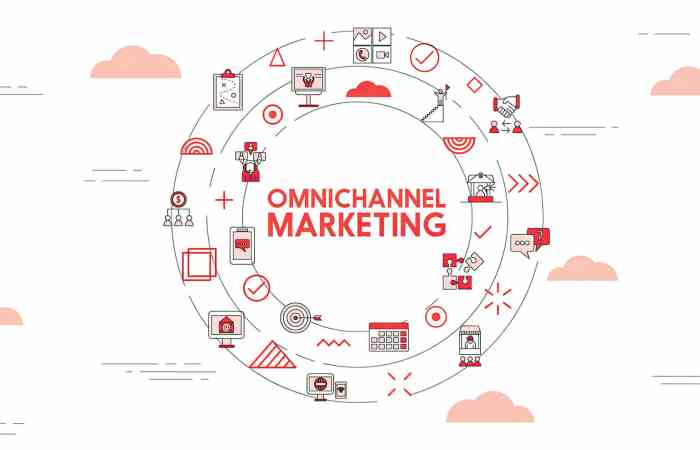
Multichannel means a business uses multiple communication or sales channels to connect with customers. These channels can include:
- Website
- Social media
- Physical store
- Mobile app
- SMS
- Call center
- Marketplace platforms
The main idea is simple: be available on different platforms so customers can choose the one they like best.
In multichannel arrangement, the channels usually operate individually. E.g. your Instagram team can work on social interaction, your physical shop team can work on in-store sales and your online orders team can work online. They all use the same brand, however, they might not have access to real-time data and customer history.
The idea is helpful since it provides companies with increased visibility. It is also useful towards allowing customers to communicate with each other in a manner that best suits them. Nonetheless, the experience can be under-connected when the channels are not connected in the proper way.
What Is Omnichannel?
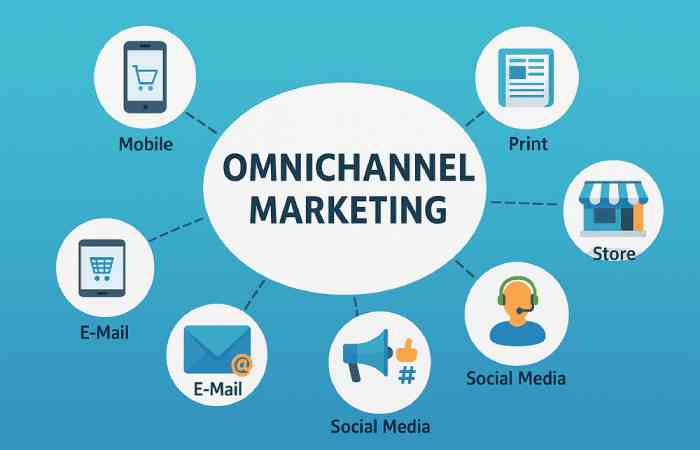
Omnichannel implies even higher customer experience strategy in which all channels are integrated with each other and are regarded as a single system.
Omnichannel does not divide each platform into different channels, but instead provides a continuity across all the touchpoints. A customer is able to start on a given channel and transition to another and still be able to stick with the context..
For example:
- A customer sees a product on Instagram
- Visits the website to check details
- Adds the item to the cart
- Receives a reminder by email
- Calls customer support with a question
- Completes the purchase in-store
In an omnichannel model, all of these steps feel like one continuous experience. The business recognizes the customer across platforms and keeps the information consistent.
That is what makes omnichannel powerful. It is not just about being present on many channels. It is about creating a connected, personalized journey.
Omnichannel vs Multichannel: Key Comparison Table
| Feature | Multichannel | Omnichannel |
| Main focus | Being available on multiple platforms | Creating one connected customer journey |
| Channel connection | Channels work separately | Channels are integrated and synchronized |
| Customer experience | Can be inconsistent | Smooth and unified |
| Data sharing | Limited or fragmented | Shared across channels |
| Personalization | Basic or channel-specific | Strong and customer-based |
| Example | Social media, email, and store all operate independently | Customer starts on app and finishes purchase in store with full continuity |
| Business goal | Reach more people | Improve experience and loyalty |
| Complexity | Easier to set up | More advanced and strategic |
| Best for | Businesses starting digital expansion | Brands focused on customer retention and seamless service |
The Real Difference Between Omnichannel and Multichannel
The easiest way to understand the difference is this:
- Multichannel asks, “How many ways can customers reach us?”
- Omnichannel asks, “How well do all those ways work together?”
In multichannel marketing, the channels are like separate roads leading to the same business. In omnichannel, those roads are connected into one smooth network.
That difference may sound small, but in customer experience, it matters a lot. A customer does not think in terms of departments or platforms. They just want things to be easy.
If they have to repeat their problem to three different agents, or if their cart disappears when they switch devices, the experience feels frustrating. Omnichannel solves that by keeping the journey connected.
Simple Definition Table
| Term | Definition |
| Multichannel | A strategy that uses several channels to reach customers, but each channel usually operates independently. |
| Omnichannel | A strategy that connects all channels into one seamless and unified customer experience. |
Example of Multichannel in Action
Imagine a clothing brand that sells through:
- A retail store
- A website
- Instagram ads
- Email newsletters
- A mobile app
This brand is multichannel because it has many ways for customers to interact with it.
Now suppose each channel works on its own. The store team does not know what the online team is doing. The app does not remember items from the website. Email offers may not match what the customer saw on social media.
That is multichannel.
It helps the brand reach more customers, but the experience may feel scattered.
Example of Omnichannel in Action
Now imagine the same clothing brand, but this time all channels are connected.
A customer browses a jacket on the website. Later, they see the same jacket on Instagram. They add it to their wishlist using the app. Then they visit the store, and the staff can see their online interest. The customer receives a personalized email with a discount on that jacket.
Everything feels coordinated.
That is omnichannel.
The customer does not need to start over at each step. The brand remembers their journey and responds accordingly.
Why Businesses Choose Multichannel
Multichannel is often the first step for businesses expanding their reach. It offers several advantages:
| Advantage | Explanation |
| Wider reach | Customers can find the business on different platforms |
| Flexibility | People can choose the channel they prefer |
| Brand visibility | More touchpoints means more opportunities to get noticed |
| Easier entry | Simpler to set up than a fully integrated system |
| Channel-specific marketing | Each platform can be used in a different way |
For many small and medium businesses, multichannel is a smart starting point. It helps them test what works before moving into a more advanced customer experience model.
Why Businesses Move Toward Omnichannel
As customer expectations rise, many companies shift from multichannel to omnichannel. Why? Because modern buyers want convenience, speed, and consistency.
Here are some reasons omnichannel is becoming the preferred approach:
| Benefit | Why It Matters |
| Better customer satisfaction | People enjoy smooth and connected experiences |
| More personalized communication | Brands can use customer data more effectively |
| Higher conversion rates | Fewer gaps in the journey can lead to more sales |
| Stronger loyalty | Customers are more likely to return when the experience feels easy |
| Improved support | Customer service teams can respond with full context |
Omnichannel is especially valuable in industries like retail, e-commerce, banking, healthcare, and hospitality, where customers often move between digital and physical touchpoints.
Multichannel vs Omnichannel in Customer Experience
The largest difference is seen around customer experience.
Further in a multichannel model, a customer can have numerous choices, the experience can be skewed. One of these channels can be fast, and another can be slow and yet another channel can be ignorant of what has already occurred.
With an omnichannel system, the experience is that of a single conversation. The company is familiar with history, preferences and behavior of the customer. That brings about a feeling of comfort and belief.
This is important since customers often forget all minor details of a brand interaction. What is left in their minds is the way it made them feel. In case the voyage was comfortable, they are better placed to return.
Which Strategy Is Better?
The solution is based on the business objective.
In case companies are interested in increasing their coverage on platforms, multichannel is competitive. It is practical, flexible and comparatively easy to manage.
Omnichannel is superior in case a firm intends to develop an integrated customer experience. It involves more planning, technology as well as coordination and the rewards can be significantly higher.
Multichannel will transform to omnichannel in a multitude of instances as the business develops overtime. That will usually be the most intelligent way. It will enable the brand to expand in phases and not stress the staff.
A Quick Comparison of Use Cases
| Business Need | Better Fit | Why |
| Just starting online marketing | Multichannel | Simple to launch across a few platforms |
| Want to reach customers in many places | Multichannel | Good for visibility and presence |
| Need unified customer data | Omnichannel | All channels share information |
| Want smoother shopping journey | Omnichannel | Customers move easily between touchpoints |
| Focused on long-term loyalty | Omnichannel | Better personalization and consistency |
Common Mistakes Businesses Make
Many businesses think that simply being on many platforms means they are omnichannel. That is not true.
Here are some common mistakes:
- Posting on many channels without connecting them
- Giving different messages on different platforms
- Failing to sync customer data
- Ignoring the customer journey across devices
- Treating sales, support, and marketing as separate worlds
A business can have many channels and still offer a poor experience if those channels do not work together.
That is why strategy matters as much as presence.
How to Decide Which One You Need
Ask yourself a few simple questions:
- Do your channels share customer information?
- Can a customer start on one platform and continue on another without confusion?
- Is your brand message consistent everywhere?
- Are you trying to expand reach, or improve the full customer journey?
If your business mainly needs visibility, multichannel may be enough for now. If your priority is retention, convenience, and personalization, omnichannel is the stronger choice.
Final Thoughts
Omnichannel vs multichannel is the discussion and debate that is, in fact, about customer experience.
Multichannel assists business enterprises to appear in numerous locations. Omnichannel assists companies in making those locations appear united. They are both useful; however, they are useful in different ways.
A multichannel strategy has the potential to introduce breadth and flexibility. A multichannel strategy has the strength to introduce loyalty, trust, and easier experiences. The customers in the modern market are quick to realize the difference.