
 Khizrana Begum
Web & Informational Content Writer
Khizrana Begum is a Web & Informational Content Writer who creates clear, practical and reader-friendly content across web topics, technology, digital trends, online guides and general information.
Read Full Bio of Author →
Web & Informational
Content Writer
 Sameena Begum
Web & Digital Content Reviewer
Sameena Begum is a Web & Digital Content Reviewer who reviews selected WorldWideWebBlog articles for clarity, structure, consistency, readability and responsible presentation.
Read Full Bio of Reviewer →
Web & Digital
Content Reviewer
Your father picks up his phone and hears a call from an unknown number. He is told that it’s his grandson, who is in some difficulty, and needs money immediately. However, he has a feeling there is something wrong here, as his grandson always refers to him as grandpa.
A fortunate catch, but there are many more scammers out there.
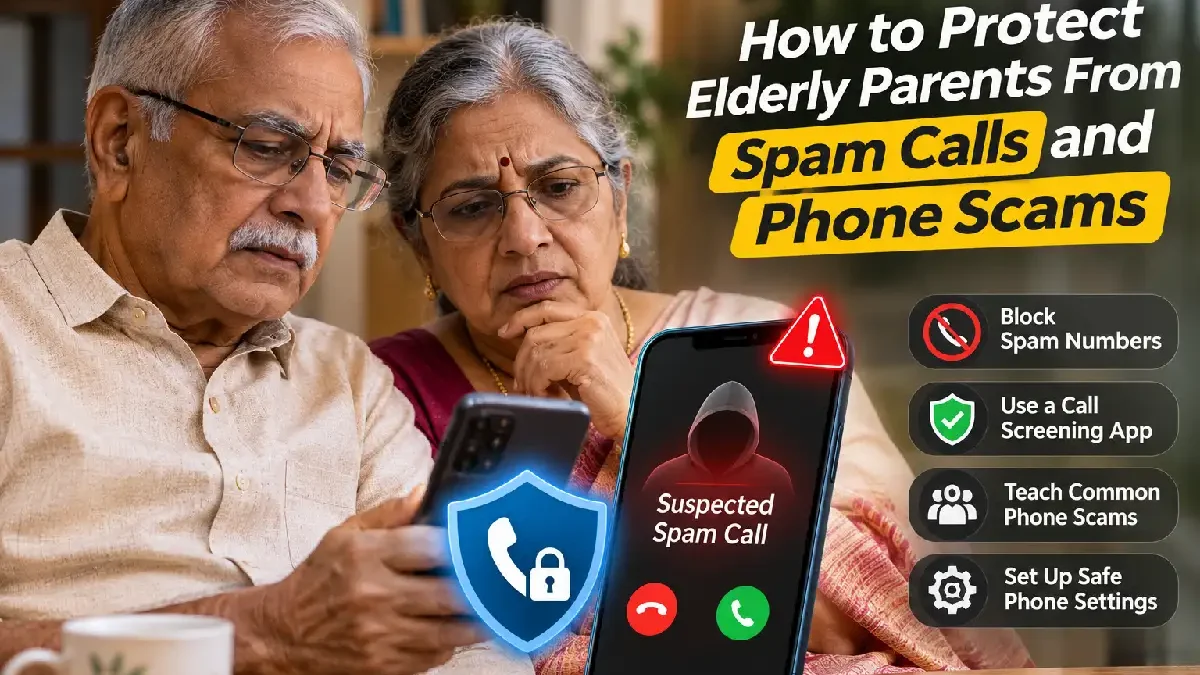
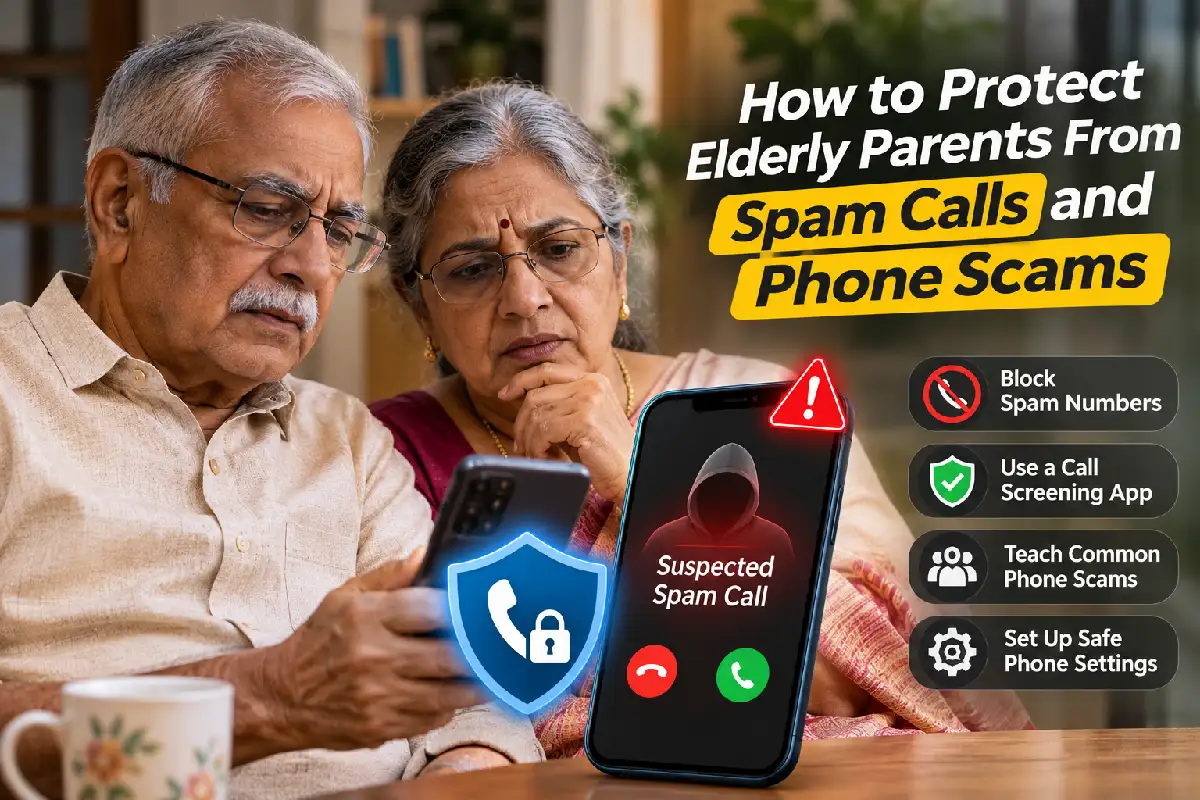
Phone scams are frequently successful as they can target your emotions. They will often try to manipulate you into giving them money by pretending to be family members, bank staff, government officials, or from well-known companies. Protecting elderly parents means helping them recognize these tricks while making their phones less welcoming to unwanted callers.
Table of Contents
Teach Them to Question the Urgency
A scammer rarely opens with, “Hello, I’m calling to steal your money.” If only. Instead, the caller invents a problem that supposedly needs immediate attention. A bank account has been compromised. A payment is overdue. A relative has been arrested or injured. The details change, but the objective stays the same: keep the person worried enough to act without checking the facts.
Talk with your parents about these pressure tactics. Explain that a confident voice, familiar company name, or knowledge of personal details doesn’t prove a caller is genuine.
Agree on a simple response: hang up and verify the story independently. If someone claims to represent a bank, use the number printed on the bank card or official statement rather than calling back the number provided by the stranger.
For supposed family emergencies, consider establishing a private family password or verification question. It gives everyone another way to check whether an unexpected request is legitimate.
Put an App Between Them and the Spam
Your parents shouldn’t have to become experts at spotting suspicious numbers. Their phones can help. Start with built-in spam detection features and check whether their mobile carrier offers call-screening services. Features will vary based on your device and provider, but can include blocking suspected spam calls, muting unknown callers, and blocking unwanted numbers.
With a dedicated call blocking application, you can protect yourself further. This can include identifying numbers reported by others, showing spam alerts, automatically blocking unwanted calls, or allowing you to make your own block list.
Choose an application with straightforward controls. A complicated interface won’t help much if your parents can’t tell whether a call was blocked or how to review it. Set everything up together. Show them how to block a number, check call history, and recognize suspicious-call alerts. If you need practical guidance on how to block spam calls, explore different filtering methods and compare available features.
One reality check: no application catches every scam. Fraudsters change numbers and tactics, so technology should support good judgment rather than replace it.
Don’t Let Spam Filters Silence Important Calls
Blocking every unfamiliar number might sound tempting. Until the doctor’s office calls from a new line. Healthcare providers, delivery drivers, community organizations, and relatives sometimes use numbers your parents haven’t saved. Over-aggressive filtering may cause some issues.
Before switching any aggressive blocking modes, it is worth saving a list of key people to call. You want an app to block calls that will allow you to effectively filter out unwanted messages, but still make calls that you need to easily.
Voicemail is another useful safety net. Encourage your parents to let questionable calls go unanswered and review messages before deciding whether to return them.
Put the Golden Rules Somewhere Visible
While good technology will help, there are some things you should remember:
- Never share your passwords, PIN codes, or verification codes with unexpected callers.
- Don’t pay unexpected requests with gift cards or cryptocurrency.
- Never trust caller ID.
- Don’t rush into any financial decisions.
- If you have an unusual request, always check with a trusted family member.
These habits work alongside an app for block calls, giving your parents several opportunities to recognize a scam before it becomes a costly mistake.
Keep the Conversation Going
Scammers don’t stick to one script. This person could be anyone, the delivery person, or government official of tomorrow. Talking to your parents regularly will help them stay aware of any new techniques, but also means they won’t be scared to answer the call.
Ask them if they’re getting any strange calls, check what they have on their block list, and ask them to let you know if they feel like something is odd. If they fall victim to a scam, don’t blame them. Help them get in touch with their bank so they can put security measures in place on their accounts, and report the incident to the relevant authorities.
You are not trying to take over their phone, but simply make it easier for them to be independent whilst making it harder for fraudsters to trick them. With a bit of preparation, using smart call filtering technology, and having open conversations with your family can help a lot.
Khizrana Begum is a Web & Informational Content Writer who creates clear, practical and reader-friendly content across web topics, technology, digital trends, online guides and general information.
Sameena Begum is a Web & Digital Content Reviewer who reviews selected WorldWideWebBlog articles for clarity, structure, consistency, readability and responsible presentation.