Table of Contents
Introduction to Micro-Influencer Platforms
Influencer marketing has fundamentally changed over the past few years. Brands no longer rely solely on high-priced celebrity endorsements to move the needle. Instead, marketing budgets are shifting rapidly toward micro-influencers—content creators with smaller, highly focused followings who hold genuine influence within specific niches. However, trying to manage dozens of separate partnerships through direct messages and messy spreadsheets quickly turns into an administrative headache. To stay organized, modern growth teams rely on centralized marketplaces like tomoson com to handle creator applications, ship products, and verify content deliverables.
Whether you run an e-commerce storefront trying to generate authentic user reviews or you are a digital content creator looking for paid brand sponsorships, understanding how these automated platforms operate is critical. Working through platforms such as tomoson com streamlines outreach, standardizes campaign terms, and protects both parties throughout the collaboration. This guide breaks down how the marketplace works, explores its core feature set, compares it against alternative marketing approaches, and outlines best practices for running high-converting campaigns.
What Is Tomoson Com and How Does the Platform Work?
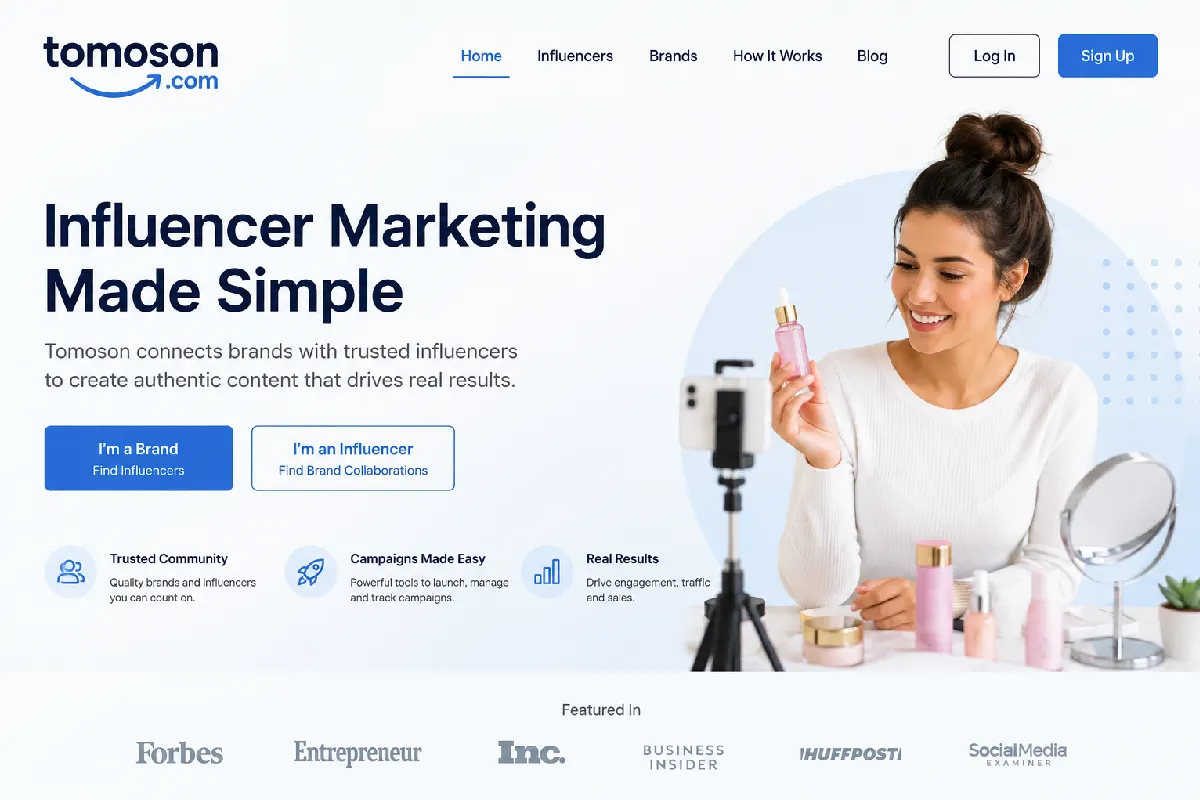
At its core, tomoson com functions as an online marketplace connecting commercial brands with independent digital creators. Rather than spending hours cold-emailing bloggers or sending direct messages on Instagram, businesses publish detailed campaign briefs directly to the platform. Content creators then browse these active listings and submit formal applications to participate.
By bringing both sides into a shared interface, tomoson com removes much of the back-and-forth friction that usually stalls influencer outreach. The general campaign workflow follows a predictable, five-stage process:
- Brief Creation: The brand outlines the project terms, specifying whether creators will receive free product samples, direct cash compensation, or a combination of both.
- Creator Vetting: Interested creators apply with their linked social profiles. Brands can inspect their engagement metrics, audience demographics, and past project ratings before approving anyone.
- Fulfillment and Tracking: For physical goods, store owners upload shipping tracking details directly to the dashboard. For digital products, access keys or downloadable links are distributed automatically.
- Content Creation and Submission: Creators draft their assigned deliverables—whether that means a blog post, a short-form video, or an online product review—and submit proof links for brand review.
- Verification and Payout: Once the brand verifies that the content meets the campaign criteria and complies with advertising disclosure regulations, the task is marked complete and funds or feedback scores are released.
Core Features for Brands and Content Creators
Evaluating any influencer software platform requires looking closely at its day-to-day functionality. A solid workflow tool needs to serve the operational needs of brand managers while remaining simple enough for independent creators to navigate easily.
1. Automated Applicant Filtering and Metric Auditing
One of the biggest risks in creator marketing is paying for inactive or fake followers. When creators register on tomoson com, they connect their social profiles directly via API integrations. This allows the system to pull verified follower counts, impression data, and engagement rates directly from platforms like Instagram, YouTube, and personal blogs. Brands setting up campaigns on tomoson com can establish strict approval rules, filtering candidates by geographic location, primary platform focus, audience size, and past project completion ratings.
2. Streamlined Product Seeding and Review Tracking
For direct-to-consumer e-commerce brands, seeding physical products is one of the most cost-effective ways to generate social proof. The internal tracking system alerts marketers when orders are delivered, automatically starting the clock on content delivery deadlines. This prevents items from disappearing into a black hole and holds creators accountable for delivering their promised posts on schedule.
3. Account Safety and Compliance Tools
Transaction security is crucial when managing dozens of remote contractor relationships simultaneously. Platforms like tomoson com provide structured workflows that safeguard payments and monitor tasks. When monetary compensation is involved, funds are held safely until deliverables pass review. Furthermore, built-in reminders prompt creators to adhere to commercial disclosure standards, reducing regulatory risk for the hiring business.
Decision Framework: Choosing the Right Outreach Strategy
Not every business requires an automated marketplace. Choosing between automated platforms like tomoson com, manual direct outreach, or hiring a dedicated public relations agency depends heavily on your monthly budget, available internal hours, and target campaign scale.
| Strategy Channel | Best Suited For | Management Overhead | Scalability | Primary Advantage |
|---|---|---|---|---|
| Automated Marketplaces | E-commerce brands needing quick product reviews, social proof, and micro-influencer seeding. | Moderate (Structured dashboards handle application vetting and task verification). | High (Easily manage dozens of creator relationships at once). | Centralized tracking, metric verification, and clear performance history. |
| Direct Manual Outreach | Niche brands building highly customized, long-term ambassador relationships. | Very High (Requires manual pitching, custom contracts, and tracking via spreadsheets). | Low (Difficult to scale without a dedicated team). | Complete control over creative direction and direct personal contact. |
| PR & Influencer Agencies | Established brands launching large, high-budget campaigns featuring mainstream talent. | Low (The agency executes and manages the entire process end-to-end). | High (Fully managed by outside industry specialists). | Hands-off strategy and immediate access to top-tier talent networks. |
Step-by-Step Guide: Executing an Influencer Campaign
To get the strongest return on investment from your campaigns, strategic planning is essential before you make a brief live. Here is how to execute a smooth campaign from start to finish using tomoson com or similar platforms.
Step 1: Write Precise Creative Briefs
Vague instructions lead to disappointing content. Before launching your listing, define exactly what deliverables you expect. Specify the video length, image format, primary channels, mandatory brand tags, and specific call-to-action links. However, leave room for creative authenticity—creators understand what style of content resonates best with their personal audience.
Step 2: Look Beyond Vanity Metrics During Vetting
When reviewing applicants on tomoson com, do not simply choose the account with the largest follower count. Inspect their overall engagement rate and read through the comment section on their recent posts. Genuine audience discussions, thoughtful questions, and active replies are far more valuable than thousands of passive views or automated bot comments. Always review an applicant’s completion rating to ensure they consistently hit past deadlines.
Step 3: Organize Inventory and Logistics
Delayed product shipments create frustrated creators and late content. Ensure you have physical stock allocated exclusively for promotional campaigns before approving applicants. As soon as a creator is confirmed, dispatch the package immediately and update the tracking details inside the dashboard so both parties can monitor delivery progress.
Step 4: Audit Content and Confirm Compliance
When proof links are submitted, check the work against your initial creative brief. Ensure the product is shown clearly, all requested tags are included, and required legal disclosures are visible. Once you verify the content meets your standard, approve the submission promptly so the creator can be paid or credited.
Campaign Execution Checklist
Review this checklist before publishing your next campaign brief to keep operations smooth and avoid common oversights:
- Clear Campaign Objectives: Have you clearly defined whether your primary goal is generating user content, gathering SEO backlinks, or driving direct sales?
- Stock Availability: Are review units packed and ready to ship as soon as creator applications are accepted?
- Legal Disclosure Rules: Did you instruct creators to place clear sponsorship tags (such as #ad or #sponsored) prominently in their posts?
- Usage Rights Terms: Do your campaign terms state whether your brand retains the rights to re-use creator photos and videos in paid social media ads or email blasts?
- Conversion Tracking: Are custom UTM tracking links or unique promo codes set up to track traffic and sales accurately inside your analytics setup?
Security, Privacy, and Real-World Limitations
While management tools eliminate administrative friction, brand managers still need to exercise practical caution and due diligence.
1. Metric Quality and Audience Verification
Although automated platforms pull analytical metrics directly via official social APIs, no software system can eliminate fraudulent engagement entirely. Fake followers and automated engagement pods continue to evolve. Marketers should always perform quick manual spot-checks on applicant channels to evaluate comment quality and audience authenticity firsthand.
2. Advertising Regulatory Compliance
Regulatory authorities around the globe—including the FTC in the United States, the ASA in the United Kingdom, and the ASCI in India—enforce strict regulations regarding paid digital endorsements. Sponsored posts and gifted items must be clearly disclosed to consumers. Ultimately, the hiring brand shares legal responsibility for ensuring that creators adhere to these regional disclosure standards.
3. Data Protection and Communication Safety
Protecting sensitive business information is vital. Keep all campaign communications, order details, and payment processing inside official software infrastructure. Avoid sharing direct bank account numbers, private login credentials, or sensitive customer data across unencrypted external messaging channels.
Frequently Asked Questions
How do content creators apply for campaigns on tomoson com?
Content creators sign up for an account, link their social media profiles or blogs to verify their analytics, and search the marketplace for open campaign briefs. Once they find a project that matches their content niche, they submit an application directly through tomoson com for the brand to review.
Are micro-influencers effective for driving direct e-commerce sales?
Yes. Micro-influencers generally cultivate tighter niche communities and achieve much higher engagement rates than mega-influencers or traditional celebrities. Because their followers view them as trusted peers, their product recommendations often lead to higher conversion rates for specialized products.
What is the difference between gifted product seeding and paid collaborations?
In a gifted campaign, a brand sends free merchandise in exchange for an honest review or social post. In a paid collaboration, the creator receives financial compensation in addition to the product sample. High-effort production tasks, like polished YouTube feature videos, almost always require paid monetary compensation.
How do businesses track overall ROI on tomoson com campaigns?
Brands track ROI by combining metrics pulled from tomoson com with internal analytics tools. Key performance indicators include visual content production value, social engagement levels, referral traffic gathered via custom UTM links, and direct revenue tracked through exclusive discount promo codes.
Conclusion
Managing influencer outreach does not have to mean drowning in endless email threads and disorganized spreadsheets. Dedicated marketplaces bring much-needed structure to creator partnerships, allowing growing businesses to scale their social proof quickly. Utilizing platforms like tomoson com enables brands to publish clear briefs, vet creators efficiently, track physical shipments, and verify completed content from a single dashboard.
By defining precise campaign goals, vetting applicants based on real engagement rather than vanity metrics, enforcing advertising compliance, and maintaining realistic expectations, companies can build powerful networks of authentic brand advocates. Integrating tools like tomoson com into your broader marketing workflow helps streamline administrative tasks, leaving you with more time to focus on building great products and growing your business.
Related Guides
Explore more useful resources related to this topic:
- Navigating Tech Tutorials: A Guide to Portals Like www. logicalshout .com
- Understanding Apple Product Roadmaps: How to Read Insider Reports and Release Cycles
- What is Naizhesdaz? Origin, Tech Context, and Analysis
- Understanding Online Electronics Buyback Platforms: A Guide to maujual. com and Safe Gadget Reselling