
Why Virtual Forests Sound More Real Than You Think
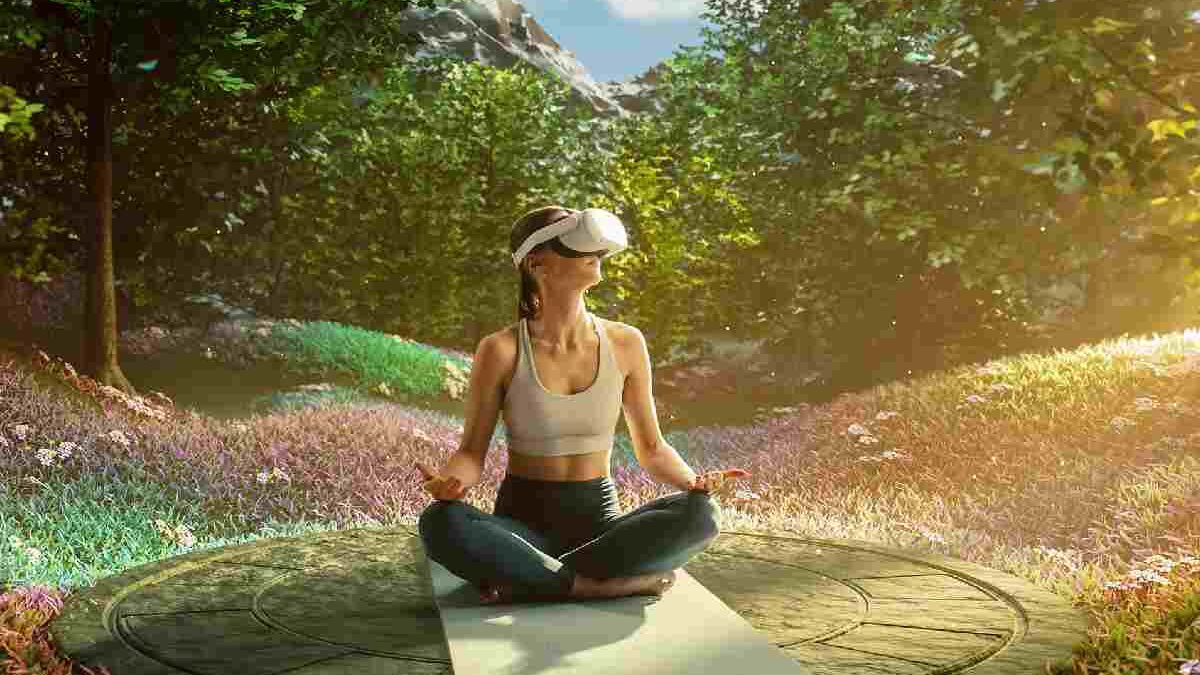
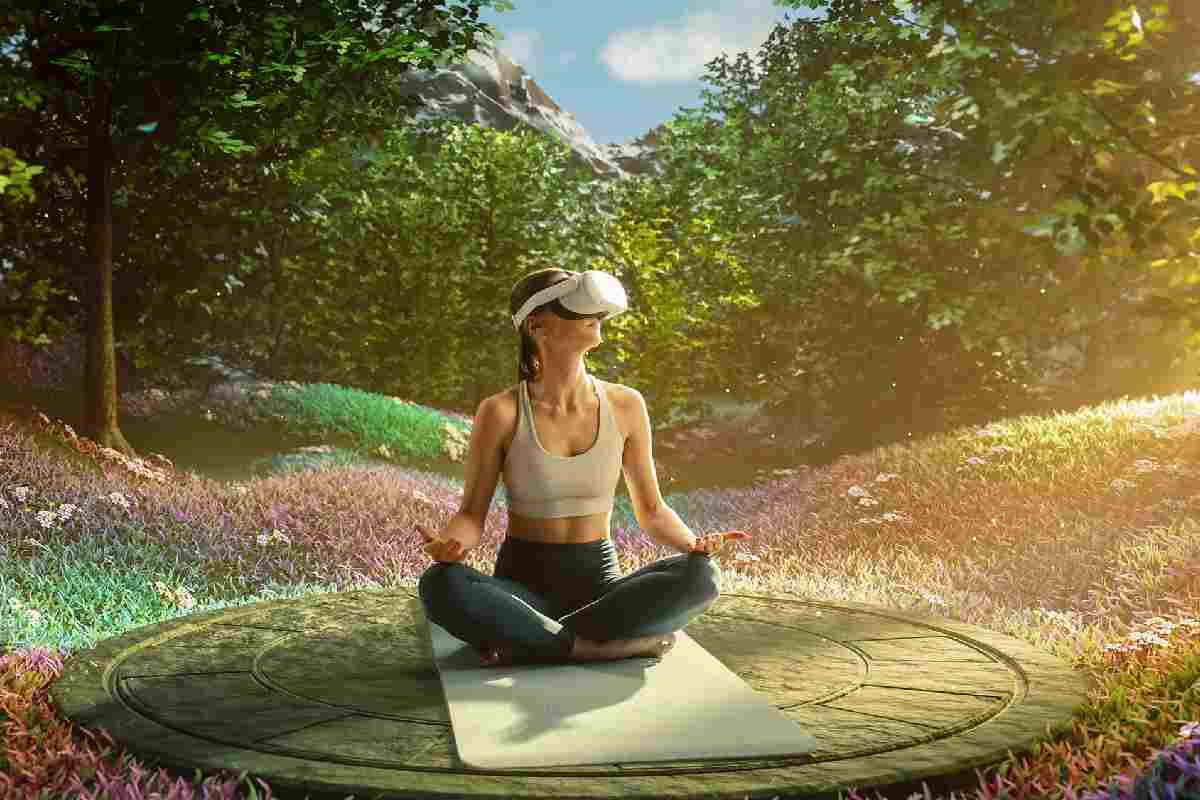
Put on a VR headset and step into a redwood forest simulation, and your brain accepts the environment as genuine within seconds—not because of the visuals alone, but because the soundscape convinces your subconscious that you’re actually there. The gentle rustle of leaves responds to virtual wind direction. Bird calls echo appropriately through the canopy. Your footsteps change character as you move from soft moss to fallen branches. This auditory immersion requires far more sophisticated engineering than simply playing nature recordings in the background. Sound designers must recreate not just individual sounds but the complex acoustic relationships that make natural environments feel dimensionally real rather than flat and artificial.
The challenge lies in replicating how sound actually behaves in physical spaces. When you stand in a real forest, your brain processes thousands of simultaneous audio cues—the distance and direction of each bird, how tree trunks reflect and absorb different frequencies, the way wind creates movement patterns through varying vegetation densities. Simply layering recorded nature sounds creates a convincing effect for passive listening, but interactive virtual environments demand responsive audio that changes based on user position and behavior. Creating this level of realism pushes the boundaries of spatial audio processing and requires approaches that blend field recording, acoustic modeling, and real-time synthesis.
Table of Contents
Capturing Source Material That Works in 3D Space
Traditional stereo field recordings fail in VR because they bake spatial information into the recording itself. When you turn your head in the virtual environment, the audio needs to rotate with you—the bird that was to your left should remain to your left regardless of which direction you’re facing. This requirement means sound engineers must capture or create assets that exist as discrete point sources rather than pre-mixed stereo images. Ambisonic recording techniques using specialized microphone arrays capture full spherical sound fields that can be manipulated in post-production, providing the raw material necessary for convincing 3D audio placement.
The recording process itself demands different approaches than traditional nature documentation. Engineers capture individual sound sources in isolation whenever possible—a single bird species, a specific insect, identifiable plant movement patterns—rather than complex soundscapes with everything happening simultaneously. These isolated elements become building blocks that designers can position precisely in virtual space, controlling volume, distance cues, and reverb characteristics independently. The tedious process of gathering these clean recordings requires patience and specialized techniques, like using parabolic microphones to isolate distant sounds or recording during conditions when target sounds occur without competing noise.
Clean recordings also require extensive editing to remove unwanted elements. Aircraft, distant traffic, human activity, and wind hitting the microphone all contaminate field recordings with sounds that would break immersion in carefully controlled virtual environments. Some designers supplement field recordings with synthesized elements or library content, particularly for subtle background textures where absolute authenticity matters less than consistent quality. Professional collections of carefully edited nature sound effects provide essential building blocks for projects where time or budget constraints prevent extensive original field recording, offering pre-cleaned elements ready for spatial positioning.
Building Layered Soundscapes That Feel Alive
Natural environments contain distinct audio layers that combine to create the impression of a living ecosystem. The foreground layer includes prominent individual sounds—a nearby bird call, leaves rustling overhead, water flowing past. The midground layer provides contextual density—the collective sound of insects, distant animal calls, wind through vegetation. The background layer establishes the overall acoustic character of the space—the subtle room tone created by air movement, distant environmental sounds, the barely perceptible ambience that indicates whether you’re in a dense forest or open meadow. Skilled designers balance these layers so that no single element dominates inappropriately while maintaining enough detail in each layer to prevent the soundscape from feeling sparse or artificial.
The timing and density of events within each layer requires careful orchestration. Real forests don’t maintain constant sound levels—bird activity increases during dawn and dusk, wind gusts create temporary bursts of movement, insects cycle through quieter and more active periods. Programming these variations so they feel organic rather than obviously patterned demands understanding natural rhythms and introducing appropriate randomization. Too much randomness creates chaos that feels wrong, while too much pattern reveals the artificial construction. The sweet spot involves semi-random variation constrained by rules derived from observing actual ecosystems.
Spatial distribution of sound sources also follows patterns that VR designers must replicate. In real forests, certain birds occupy specific canopy heights, insects concentrate near particular vegetation types, water sounds originate from localized streams or drips. Placing sound sources according to these natural distributions helps the environment feel ecologically coherent. Users might not consciously notice that birdsong comes from overhead while ground insects sound closer to foot level, but these details register subconsciously and contribute to the overall impression of authenticity.
Real-Time Audio Processing and User Interaction
Static soundscapes work for passive experiences, but interactive VR demands audio that responds to user actions. Footstep sounds must change based on surface type and movement speed. Vegetation should rustle when the user brushes past. Disturbing a virtual bird should trigger appropriate flight sounds. These interactive elements require game engine integration where audio playback gets triggered by collision detection, proximity sensors, and user input events. The technical challenge involves managing computational resources so that complex spatial audio processing doesn’t degrade visual frame rates or create latency between action and sound that breaks immersion.
Distance and occlusion modeling adds another layer of complexity. Sounds should grow quieter and lose high-frequency content as sources move farther away. Trees, terrain, and other obstacles should muffle sounds appropriately based on their acoustic properties. Real-time audio engines calculate these effects continuously as users move through the environment, applying filters and volume adjustments that simulate realistic sound propagation. Advanced implementations even model reverb characteristics that change based on surrounding geometry—a clearing should sound different from dense undergrowth, and users should hear these differences as they move between spaces.
Balancing Realism With Creative Direction
Absolute acoustic accuracy doesn’t always serve the creative goals of VR experiences. Educational simulations might exaggerate certain sounds to draw attention to specific ecological relationships. Nature documentaries in VR often enhance drama by bringing distant sounds closer or clarifying muddy environmental recordings. Game experiences might stylize natural sounds to be more engaging than their realistic counterparts. The decision about how much realism to pursue versus how much creative license to take depends on the project’s purpose and audience expectations.
Documentary projects face particular challenges in maintaining authenticity while meeting production constraints. Field recordings from the actual locations being documented are ideal but often contain technical imperfections or miss key sounds entirely. Supplementing with library recordings from similar but different locations raises questions about honesty and representation. Most professional productions find middle ground—using authentic location recordings as the foundation while carefully filling gaps with ethically sourced supplementary content that maintains the spirit and character of the real environment. This approach respects documentary integrity while delivering the polished experience audiences expect from professional productions.
The evolution of spatial audio technology continues expanding what’s possible in virtual nature creation. Binaural rendering has become standard, providing convincing directional cues through regular headphones. Object-based audio systems allow hundreds of individual sound sources to move independently through 3D space. Machine learning tools help automate some tedious aspects of audio cleanup and positioning. Despite these technological advances, creating truly convincing natural environments still requires skilled human judgment about what makes spaces feel authentically alive rather than merely technically accurate.